
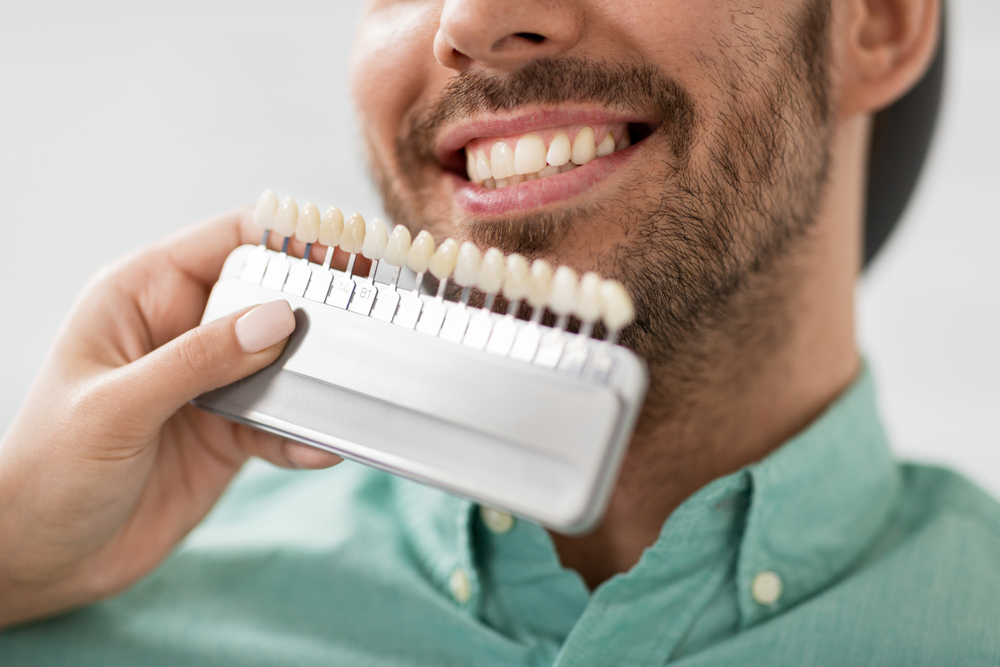
What Are Porcelain Veneers?
Porcelain veneers are thin, custom-made shells bonded to the front surfaces of teeth. They help change the visible color, shape, size, or length of a tooth. Each veneer is designed to complement your smile and surrounding teeth.
Unlike dental crowns, which cover the entire visible portion of a tooth, veneers primarily cover the front surface. They are often used for cosmetic improvements rather than extensive structural repairs.
As part of cosmetic dentistry, veneers can address several appearance concerns at once. For example, a veneer may conceal discoloration while creating a smoother tooth edge. Porcelain also resists many surface stains better than natural enamel, although it isn’t completely stain-proof.
Veneers aren’t the right choice for every dental concern. We discuss what they can accomplish, where their limitations lie, and whether another treatment would better support your goals.
Five Ways Porcelain Veneers Can Improve Your Smile
Porcelain veneers offer several cosmetic benefits for patients with suitable tooth and gum health. Depending on your needs, they may help:
- Conceal stubborn discoloration. Veneers can cover certain stains that don’t respond well to professional teeth whitening.
- Improve chipped or worn edges. A custom veneer can create a smoother, more even-looking tooth.
- Close small gaps. Veneers can reduce the appearance of minor spaces without physically moving your teeth.
- Balance uneven tooth shapes. Teeth that appear unusually short, narrow, or irregular may look more proportional with veneers.
- Create a consistent appearance. Multiple veneers can help coordinate the color and shape of the teeth most visible when you smile.
These benefits can overlap. You may have one tooth with both an uneven edge and noticeable discoloration. A single veneer might address both concerns.
However, veneers cannot move tooth roots or correct significant bite problems. If your teeth need repositioning, treatments such as Invisalign may be worth discussing before cosmetic restorations.
Are You a Good Candidate for Veneers?
Good candidates for porcelain veneers generally have healthy gums, teeth free of untreated decay, and enough suitable tooth structure to support bonding.
During your consultation, we examine your oral health and discuss any concerns that could affect treatment. Gum inflammation, untreated cavities, or certain bite problems may need attention before moving forward.
Teeth grinding and jaw clenching also matter. Repeated pressure can increase the risk of chipped, cracked, or damaged veneers. Depending on your situation, we may recommend a protective nightguard or explore other treatment options.
Teeth with extensive fractures, decay, or significant structural damage may benefit more from restorative dentistry.
Do Veneers Require Enamel Removal?
Many porcelain veneer treatments involve removing a thin layer of enamel to create room for the restoration. Because enamel doesn’t grow back, this preparation is generally irreversible.
Some patients may qualify for minimal-preparation or no-preparation veneers, although these approaches aren’t suitable for every smile. The amount of preparation depends on your tooth structure, alignment, and desired changes.
We’ll explain the recommended approach and its long-term implications before you decide.
What Happens During the Porcelain Veneer Process?
Getting porcelain veneers generally involves multiple appointments. At Great Oaks Dentistry, the process begins with understanding what you’d like to change and evaluating whether veneers are appropriate for your teeth.
1. Consultation and Smile Planning
Your dentist examines your teeth, gums, and bite while discussing your cosmetic goals. Photographs, impressions, or digital scans may be used to help plan the restorations.
We’ll talk about tooth color, proportions, and how the finished veneers should complement the rest of your smile. This is also an opportunity to compare veneers with other options.
2. Tooth Preparation and Impressions
If preparation is necessary, your dentist removes a small amount of enamel to accommodate the veneers. Impressions or scans capture the tooth dimensions needed to create the restorations.
For laboratory-made porcelain veneers, temporary coverings may be placed while the final veneers are being fabricated.
3. Fit, Appearance, and Bonding
When your veneers are ready, your dentist checks their fit, color, and overall appearance. Adjustments may be made before they’re permanently bonded to your teeth.
The dentist also checks how your teeth meet and provides instructions for caring for your new restorations.
Porcelain veneers often require two or more appointments. Your exact timeline depends on the number of teeth being treated and your individual plan. Our patient information can also help you prepare for your visit.
Porcelain Veneers vs. Composite Veneers
Porcelain and composite resin are two materials used for dental veneers, but they have different characteristics.
Porcelain veneers are typically fabricated outside the mouth and bonded to the teeth after the teeth are prepared. They offer natural-looking translucency and good resistance to many surface stains.
Direct composite veneers are shaped from tooth-colored resin applied to the teeth. Depending on the treatment, they may be completed in a single appointment and can sometimes require less enamel removal. However, composite generally stains and wears more readily than porcelain.
The better choice depends on your oral health, cosmetic goals, budget, and expectations for maintenance. We’ll help you compare the tradeoffs rather than assume one material is right for everyone.
Caring for Your Porcelain Veneers
Veneers don’t require an entirely different oral hygiene routine, but consistent care is important for protecting both the restorations and the teeth beneath them.
Brush twice daily with fluoride toothpaste, floss daily, and maintain regular dental checkups. Avoid using your teeth to open packages or bite hard objects such as ice.
If you grind your teeth, wearing a recommended nightguard may help reduce excess pressure on your veneers.
Although porcelain resists many stains, your surrounding natural teeth can still change color over time. Regular dental visits also allow us to check the condition of your veneers, their edges, and the supporting teeth and gums.
Frequently Asked Questions About Veneers
How long do porcelain veneers last?
Porcelain veneers can last many years with proper care, but they are not permanent restorations. Their lifespan depends on factors such as oral hygiene, bite forces, grinding habits, and the condition of the underlying teeth. Repairs or replacement may eventually be needed.
Do porcelain veneers hurt?
Your dentist can use local anesthesia during tooth preparation to help keep you comfortable. Some patients experience temporary sensitivity afterward, particularly to hot or cold foods. We’ll explain what to expect based on your recommended treatment.
Can you get cavities with veneers?
Yes. Although the porcelain itself cannot decay, the natural tooth beneath and around a veneer can still develop cavities. Daily brushing, flossing, and regular dental exams remain essential.
Will my veneers look like natural teeth?
Porcelain can be customized to resemble the color and light-reflecting qualities of natural enamel. We consider your surrounding teeth, facial features, and personal preferences when planning the appearance of your restorations. A natural-looking smile doesn’t have to be the brightest possible shade.
Can porcelain veneers be whitened later?
Whitening treatments don’t change the color of porcelain veneers. If you’re considering whitening your natural teeth, discuss that before selecting your veneer shade. This can help coordinate the appearance of your smile.
How many veneers will I need?
The number depends on which teeth you want to improve and the changes you’re hoping to make. Some patients may benefit from a single veneer, while others may opt for several for a more consistent appearance. Your dentist will help determine an appropriate approach after examining your smile.
Schedule Your Veneer Consultation in New Braunfels
Ready to explore porcelain veneers in New Braunfels? At Great Oaks Dentistry, we believe cosmetic treatment should reflect your preferences while protecting your long-term oral health. Our team will help you understand your options, answer your questions, and determine whether veneers are a good fit.
Visit us at 1532 N Walnut Avenue, New Braunfels, TX 78130, to discuss the changes you’d like to make. Whether you’re considering one veneer or several, we’re here to help you plan your next step with confidence.
Contact Great Oaks Dentistry today or call (830) 625-2583 to schedule your consultation. We look forward to helping you explore a smile that feels right for you.
